AuroraView

Photo paperwork, automated

AuroraView

Drop your photos in and press Analyze. AuroraView reports what stands out in each one, outlines it on the picture and writes the whole batch up as one document — then stays on the line so you can have that write-up laid out the way you need it.

Your upload is held only for the length of your conversation, in memory and never on disk. Nothing is kept, nothing is used for training, and nothing is sent to a third party.

How to use it

  1. Drop your photos onto the stage, or click it to browse.
  2. Press Analyze. Findings appear on each picture as they land.
  3. Ask about them — or say how you want the write-up laid out.
  4. Take it away as PDF or Excel, one row per finding.
  5. Dropped a PDF instead? It goes straight to a conversation — ask it your question.

Leave it empty and it reports whatever stands out. Type here and Analyze takes it as what to look for.

Add a photo or PDF to begin.

Got a board instead? Render a STEP file.

What people point it at.

It is one box and one question, so the job is whatever you ask for. These are the four we built it around — and the four we have already tuned the write-up for.

Property inspections

Twenty photos of a roof or an interior come back as a structured report: materials, features, every visible defect with a severity and a location, and an explicit note of what the photos don't cover.

Roofers, contractors, claims handlers
Parcel screening

Drop in the GIS screenshots you're already clicking through and each parcel comes back tagged — canopy, cleared ground, terrain, road access, structures, water — with a blunt worth-a-look or pass.

Land buyers, investors

Listing copy

Interior and exterior shots become room tags, finishes and materials per photo, accessible alt text for each, and a finished description written only from what is actually in the pictures.

Independent agents, brokerages

Whatever you keep doing by hand

Counts, conditions, contents, readings off a label. Write the question in plain English and say what shape you want the answer in, and that is what comes back.

Everyone else

Boards, photographed without a camera.

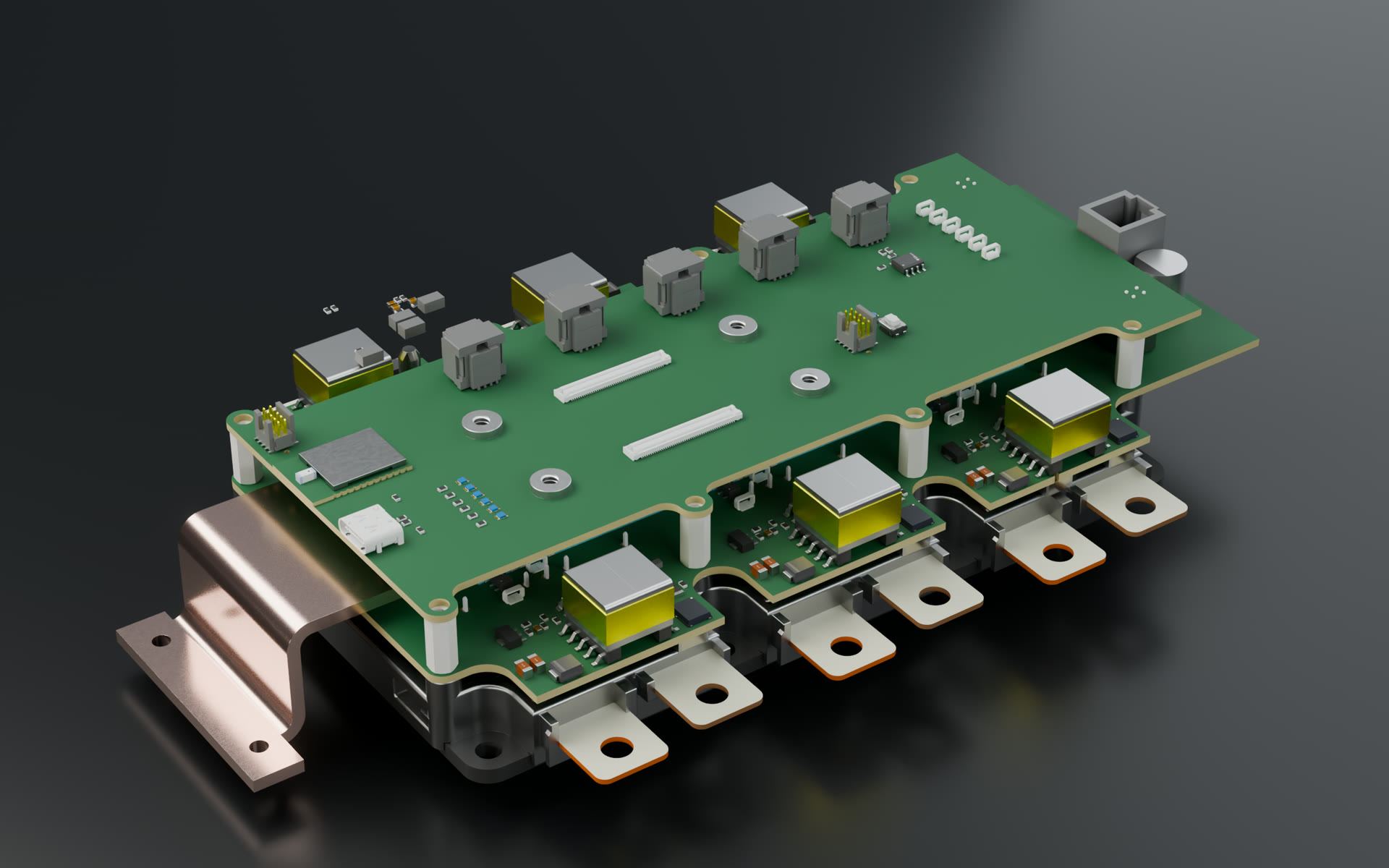
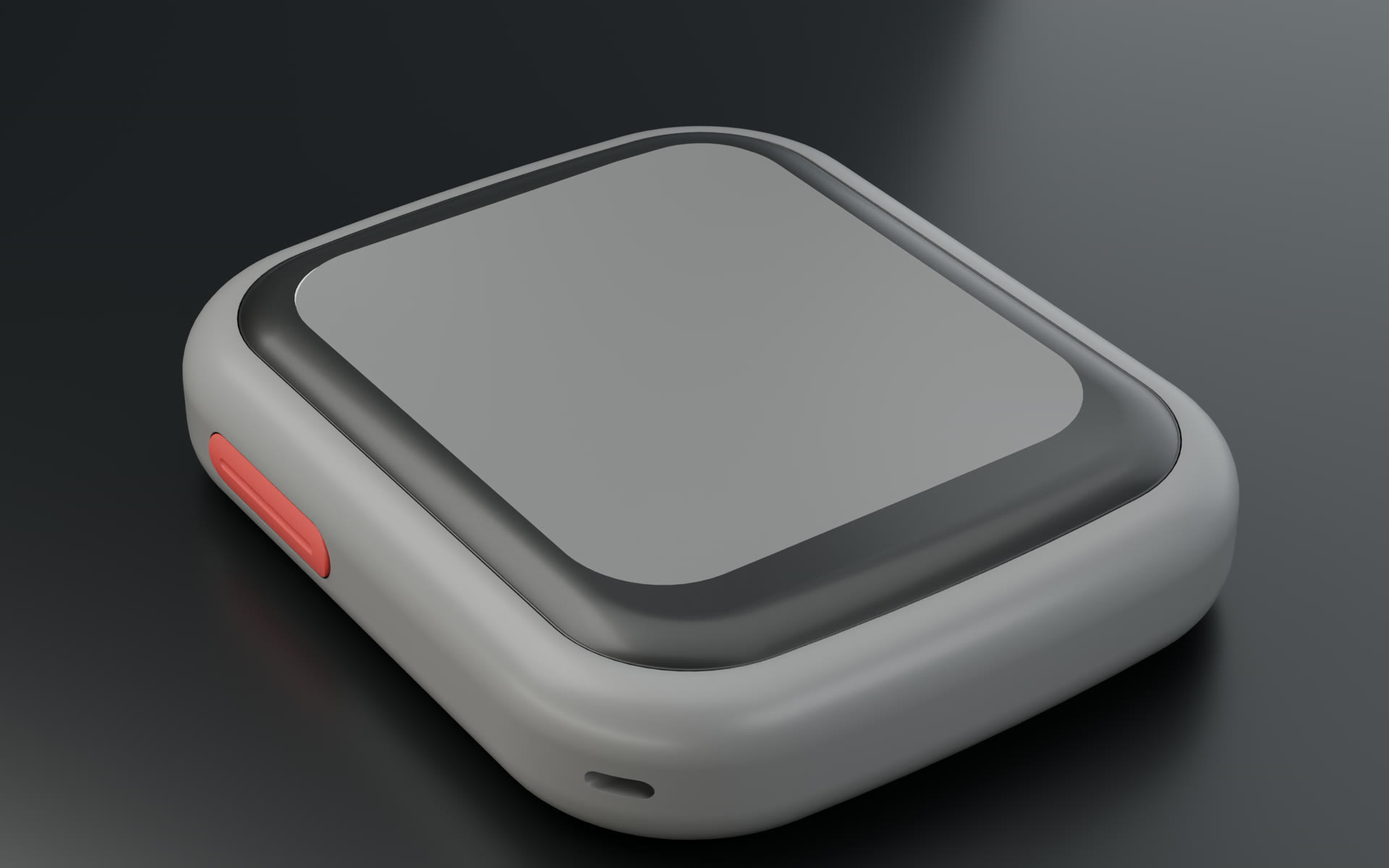
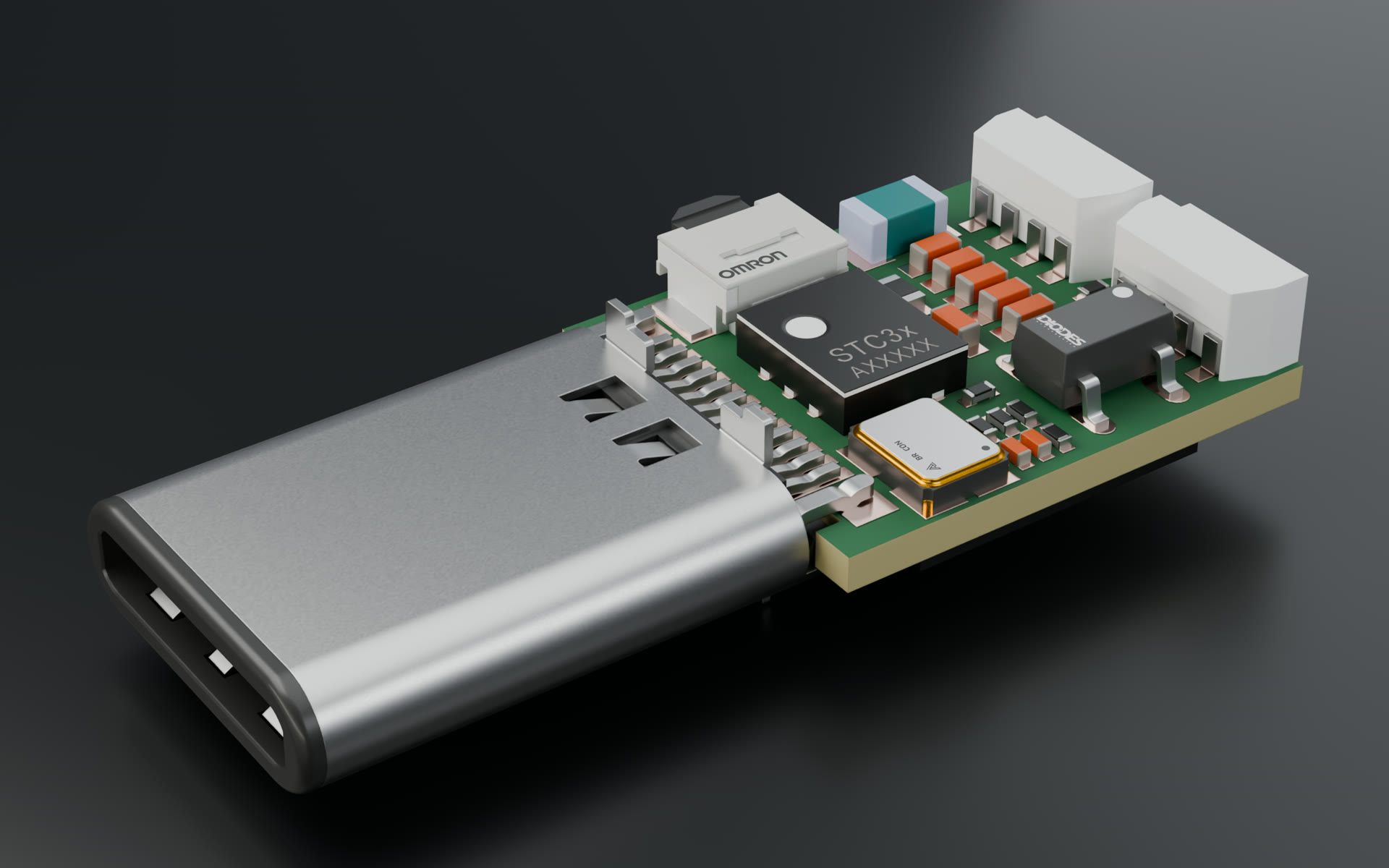
If what lands on your desk is a CAD assembly rather than a photo, our renderer path-traces it into one — drop in the STEP file your design tool exported and get back an image you can put in a document. Add Gerbers and the copper, soldermask and silkscreen are built from the layers themselves — with the board's real thickness measured off the assembly rather than assumed. These three are live renders, not mockups:

USB-C sensor board rendered from its STEP assembly, fibreglass board edge showing

Sensor board

367 solids · 20 MB STEP

Power module with two stacked boards, copper busbar and gold magnetics, rendered from STEP

Power module

1,350 solids · 105 MB STEP

Moulded enclosure with a red button rendered from its STEP assembly

Enclosure

14 solids · 2.5 MB STEP

Send us less if you would rather. If the design is sensitive, the render only needs your top layers — top copper, top soldermask, top silkscreen and the board outline. That is genuinely all a picture of a board is made of. Your inner layers, your stackup and your netlist tell the renderer nothing it can draw with, so leave them at home.
Just remember your vias. The drill file is what puts the holes in the board — leave it out and you get back a clean, convincing, completely undrilled render.

Got boards of your own? Render a STEP file →

Your photos don't go anywhere.

We never save your files. Everything you upload is processed on our own hardware in the United States and dropped as soon as it is done with — the moment a write-up is finished, or the moment you end a conversation. Nothing is kept, nothing is used for training, and nothing is handed to a third-party service on the way through — which is the honest answer you need when a homeowner, a claims department or a crew scheduler asks where their paperwork went.

Partly that is principle. Mostly it is that we are far too broke to afford the storage. There is no archive here to subpoena and no bucket here to misconfigure, because we could never have afforded the bucket.

Deleted as it goes

A photo in a write-up is erased as soon as it has been read. A document you are chatting about is held in memory for that conversation only, never on disk. Either way there is no archive to breach and no bucket to misconfigure.

No third parties

The analysis runs on hardware we own and operate. Your images are not passed to an outside service, and no outside service ever sees them.

Your work stays yours

Nothing you upload trains anything. The system you use in a year is not built from the properties you photographed this week.

Need it stricter?

If your security review wants the guarantee in writing, or wants every cached file held on a ramdisk so that nothing can reach a platter even briefly, talk to us. We would rather set that up than have you send us a redacted job.

Tell us what you're photographing.

Especially if it isn't on the list above — building the write-up around a specific trade is the part we enjoy.

Same if we do not read a file format you work in. Tell us which one and we will add it — that is usually a 24-hour turnaround, not a roadmap item.

One photo at a time

Batches are part of a plan. On the free trial you can run one photo at a time — everything else is the same: the same reading, the same outlines, the same exports.

Request access

Access key

Paste the key we sent you to lift the daily trial cap. It is stored in this browser only.